
Introduction to Breathwork
Ever feel like you’re constantly out of breath—emotionally, mentally, or even physically? You’re not alone. In today’s fast-paced world, breathwork has quietly become the go-to wellness hack for people seeking calm, focus, and better overall health. But what exactly is it? And why is it gaining so much traction in the health and wellness community?
Let’s dive into the science of breathwork and how you can harness its power, starting today.
What Is Breathwork?
A Quick History of Breathwork
Breathwork isn’t just some trendy modern wellness buzzword. It’s rooted in ancient practices. Think yoga pranayama from India or qigong breathing from China. These cultures have long recognized the power of the breath as a healing tool—way before we had any scientific proof.
Different Types of Breathwork
There isn’t a one-size-fits-all approach. Different methods cater to different needs. Here are a few popular ones:
Holotropic Breathwork
Created by psychiatrist Stanislav Grof, this involves intense, fast-paced breathing accompanied by music. It’s designed to induce altered states of consciousness for emotional healing.
Box Breathing
Also known as four-square breathing, it’s popular among Navy SEALs. Inhale, hold, exhale, and hold again—for four seconds each. Simple but incredibly grounding.
Wim Hof Method
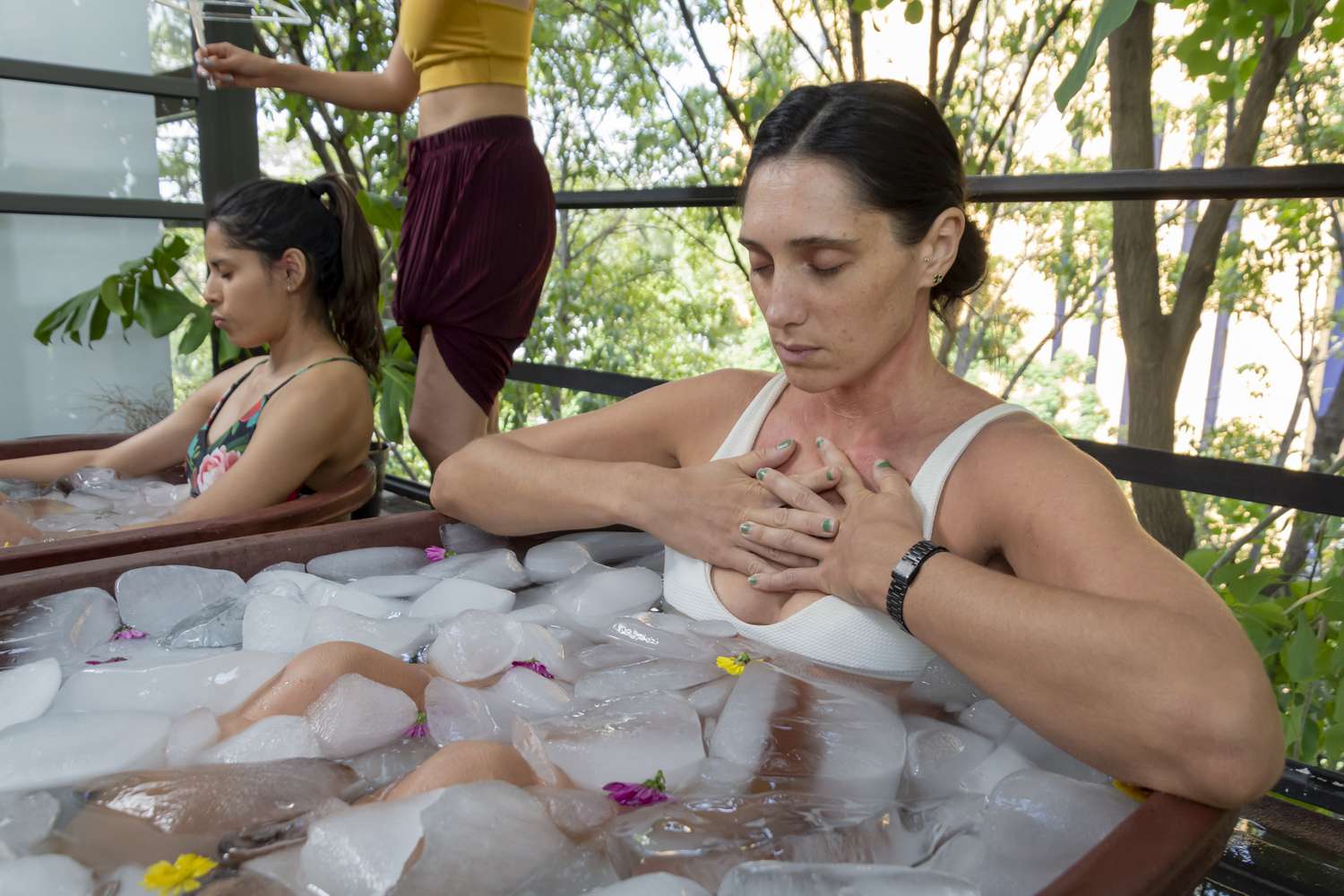
Made famous by “The Iceman” Wim Hof, this technique combines deep rhythmic breathing, cold exposure, and commitment. Great for boosting immunity and endurance.
Conscious Connected Breathing
This one involves breathing in a continuous, circular rhythm without pausing. It’s often used in therapeutic settings to release emotional blockages.
The Science Behind Breathwork
How Breathing Affects the Brain
Your brain loves oxygen. With every mindful breath, you’re literally feeding your brain. Breathwork increases the flow of oxygen and reduces carbon dioxide levels, which influences how your brain functions—especially areas tied to focus and mood.
The Nervous System Connection
Ever heard of the parasympathetic nervous system? It’s your body’s chill-out mode. Breathwork activates this system, reducing heart rate, lowering blood pressure, and creating a calm state. On the flip side, shallow breathing keeps you stuck in “fight or flight.”
Oxygenation and Cellular Health
Proper breathing helps balance pH levels in the blood, optimizes energy production, and detoxifies cells. In essence, it keeps your body humming like a well-oiled machine.
Key Breathwork Benefits
Let’s talk perks. Why should you care about breathwork?
Reducing Stress and Anxiety
When you’re anxious, your breath becomes shallow and rapid. Flip the script with breathwork. Deep, slow breathing sends a message to your brain: “All is well.” Cortisol (the stress hormone) takes a back seat, and calm returns.
Boosting Mental Clarity and Focus
Forget that third coffee. A few minutes of conscious breathing can improve concentration, memory, and decision-making. Your brain gets the oxygen it craves, helping you think sharper and clearer.
Enhancing Emotional Resilience
Breathwork helps you become the eye of the storm—calm even when life gets chaotic. Regular practice builds your ability to respond rather than react to emotional triggers.
Physical Health Improvements
Better sleep, lower blood pressure, improved lung capacity, enhanced immune function—the list goes on. Breathwork is like a multi-vitamin, but free and without side effects.
How to Start Your Breathwork Practice
You don’t need incense or a guru to get started. Just a few quiet minutes and a little curiosity.
Setting the Scene: Time and Space
Pick a quiet spot. Sit or lie down comfortably. Turn off distractions. You can light a candle, play soft music, or simply enjoy silence. Start with just 5–10 minutes a day.
Beginner-Friendly Techniques
Here are two easy ways to dip your toes in:
4-7-8 Breathing
Inhale for 4 seconds, hold for 7, exhale for 8. Great for calming the mind before bed.
Alternate Nostril Breathing
Close one nostril, inhale through the other. Switch sides. It sounds weird, but it balances both sides of the brain and enhances mental clarity.
Common Mistakes to Avoid
- Forcing the breath – Breathwork should feel natural, not strained.
- Going too long too soon – Start slow. Your body needs time to adjust.
- Skipping consistency – Like any wellness habit, consistency beats intensity.
Incorporating Breathwork into Daily Life
Morning Energizer
Start your day with 2 minutes of deep belly breathing. It’ll wake you up better than caffeine.
Midday Reset
Feeling foggy or frazzled? Try box breathing during your lunch break. You’ll return with renewed focus.
Evening Wind-down
Wind down with 4-7-8 breathing. It relaxes your nervous system and preps you for restful sleep.
Who Should Avoid Breathwork?
While breathwork is generally safe, it’s not for everyone.
Medical Conditions to Consider
People with heart conditions, high blood pressure, epilepsy, or pregnant individuals should consult their doctor first—especially for intense forms like holotropic or Wim Hof breathing.
Final Thoughts
Breathwork is one of those rare wellness practices that’s free, accessible, and scientifically backed. Whether you’re chasing calm, clarity, or better health, it all starts with one thing: your breath.
Start small. Stay consistent. Breathe better. Live better.
FAQs
- How often should I do breathwork?
You can practice daily! Even 5–10 minutes a day can yield significant breathwork benefits over time. - Is breathwork a form of meditation?
Yes and no. Breathwork can be meditative, but it can also be more active and energizing, depending on the technique. - Can I do breathwork lying down?
Absolutely. Just ensure you’re in a safe space, especially if the technique makes you feel lightheaded. - How quickly will I see results from breathwork?
Many people feel calmer after just one session. Long-term benefits come with regular practice. - Do I need an instructor to get started?
Not at all. There are plenty of beginner techniques you can try solo. But guidance can help deepen your practice.
Looking to elevate your wellness game?
Visit thehealthjobsite.co.nz for expert insights, wellness resources, and career opportunities in the health industry.Your breath is powerful—learn how to use it wisely.
Check out thehealthjobsite.co.nz for more wellness tools and professional guidance.