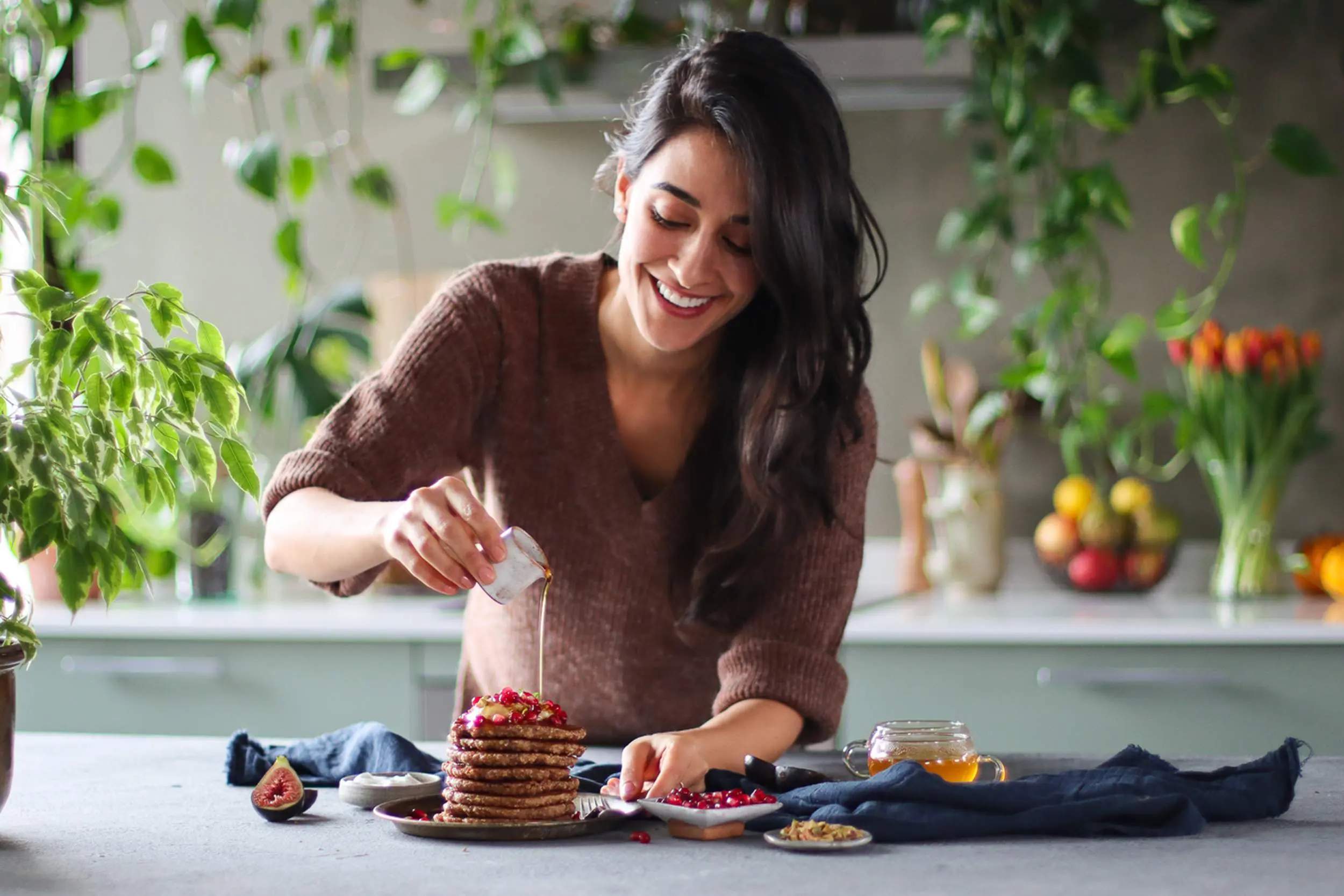

Ever feel like your body is just… off? You’re not alone. Hormones rule everything—from energy to mood to sleep and even your weight. I’ve been there, and let me tell you: food changed the game. If you’ve been struggling with fatigue, irritability, cravings, or breakouts, your hormones might be waving a white flag. That’s why I want to walk you through what I eat in a day for hormone balance—all based on a hormone balancing diet that’s tasty, doable, and actually works.
Why Hormone Balance Matters
Signs of Hormonal Imbalance
Before we dive into the food, let’s chat about symptoms. Some red flags?
- Unexplained weight gain
- Low energy or fatigue
- Mood swings
- Irregular periods
- Insomnia
- Sugar cravings
- Brain fog
Sound familiar? Yep, that was me.
How Diet Influences Hormones
Think of hormones like a symphony—each one needs to be in tune. And food? It’s the conductor. Nutrients help regulate estrogen, progesterone, insulin, cortisol, and more. When your diet’s all over the place, so are your hormones.
Core Principles of a Hormone Balancing Diet
Focus on Whole Foods
Processed foods wreak havoc on hormones. I focus on whole, unprocessed, real ingredients. Think veggies, fruit, nuts, seeds, quality protein, and healthy fats.
Balanced Macronutrients
Each meal = protein + healthy fat + fiber-rich carbs. This combo keeps blood sugar steady, reducing insulin spikes (a major hormone disruptor).
Gut Health Is Key
Your gut is where estrogen gets broken down. I eat lots of fermented foods like kimchi, kefir, and fiber for good gut bugs.
Morning Routine
Hydration First
First thing? A tall glass of warm water with lemon and a pinch of sea salt. This hydrates, helps detox, and gives my adrenals a gentle nudge.
Then, I sip on spearmint tea or nettle tea—both support hormone balance.
My Hormone-Friendly Breakfast
Meal: Scrambled eggs with spinach, avocado, and sauerkraut.
Why it works:
- Eggs give cholesterol (needed to make hormones).
- Leafy greens = magnesium for stress support.
- Avocado = healthy fats + fiber.
- Sauerkraut = gut support.
I skip caffeine in the morning unless I’ve had food—no more cortisol rollercoasters for me!
Mid-Morning Snack
Foods That Keep Blood Sugar Steady
I keep this light but nourishing. Some of my go-tos:
- Chia pudding with flaxseeds and berries
- A handful of almonds and a boiled egg
- Coconut yogurt with cinnamon
These snacks stabilize blood sugar and provide omega-3s, fiber, and protein. Cinnamon? It actually helps regulate insulin.
Lunch for Hormone Harmony
Protein, Fats, and Fiber Combo
Meal: Grilled salmon + quinoa + roasted broccoli + tahini drizzle.
This combo does it all—healthy omega-3 fats (from salmon), fiber (broccoli + quinoa), and plant-based calcium (tahini).
My Favorite Hormone-Supportive Salad
Here’s a staple I love:
- Mixed greens
- Roasted sweet potatoes
- Pumpkin seeds
- Hard-boiled egg
- Olive oil + ACV dressing
Pumpkin seeds = zinc for progesterone support. Sweet potatoes = slow-digesting carbs to support thyroid function.
Afternoon Boost
Light Snacks and Adaptogens
I don’t reach for sugar anymore. Instead, I snack on:
- Apple slices + almond butter
- A few squares of 85% dark chocolate
- A maca smoothie (maca supports adrenal health)
Matcha Over Coffee?
If I want a boost, I go for matcha. It’s gentler on cortisol and full of antioxidants.
Dinner to Wind Down Hormones
Foods That Support Nighttime Repair
Meal: Baked chicken thighs + sautéed kale + roasted carrots + a small portion of lentils.
This meal is warming and rich in nutrients like iron, B vitamins, and fiber—great for estrogen metabolism and liver detox (which helps keep hormones in check overnight).
I also aim to eat dinner by 7 PM to give my digestion a break before bed.
Supplements I Use (With Food)
What Works for Me
Supplements can support the food I eat, but they’re not a replacement. Here’s what’s in my lineup:
- Magnesium glycinate (at night)
- Omega-3 fish oil
- Probiotics
- B-complex
- Vitex (chasteberry, for cycle regulation)
Always chat with a practitioner before starting new ones!
What I Avoid
Foods That Disrupt Hormones
Some things that used to be staples for me, but are now out:
- Refined sugar and flour (blood sugar chaos)
- Seed oils (like canola or soy—highly inflammatory)
- Dairy (for me, it triggered acne and bloating)
- Alcohol (messes with liver and sleep)
Avoiding these was a game changer.
Mindful Eating Habits
Stress, Cortisol & Digestion
Ever eat a perfect meal but feel bloated after? That’s stress. Cortisol messes with digestion. I eat slowly, chew thoroughly, and avoid screens while eating. (Not always easy—but worth it.)
Lifestyle Add-ons That Help
Sleep, Movement & Self-Care
Food isn’t the only player. I also:
- Sleep 7–8 hours nightly
- Walk daily and do gentle strength training
- Use breathwork or journaling to manage stress
Your lifestyle is your medicine.
Weekly Prep for Hormone Balance
Planning My Meals for Consistency
I plan a few staple meals and batch cook:
- Pre-chop veggies
- Bake a tray of salmon or chicken
- Make chia pudding jars
- Prep smoothie bags
Prepping keeps me consistent and less likely to grab hormone-wrecking snacks.
Mistakes I Made & What I Learned
Don’t Fall for Fads
I once did low-carb, intermittent fasting, keto—all without thinking about my cycle or hormones. Big mistake. What works for one person might mess up another. Now I listen to my body.
Final Thoughts
Why It’s About Progress, Not Perfection
Here’s the thing: no day is “perfect.” Some days I eat chips or skip a supplement. But I always come back to my foundation. A hormone balancing diet isn’t a strict rulebook—it’s a guide that helps me feel like me again.
FAQs
Q1: Can men follow a hormone balancing diet too?
Absolutely! While some tweaks may be female-focused (like cycle syncing), hormone-friendly eating benefits everyone.
Q2: What’s the best breakfast for hormone balance?
Protein + fats + fiber. Think eggs with avocado and greens or chia pudding with seeds and berries.
Q3: Do I need to go dairy-free or gluten-free?
Not always! But if you have sensitivities or PCOS, it might be worth testing.
Q4: How soon can I feel results from this way of eating?
Some people feel better in a few days; for others, it might take a few cycles. Be patient—your body needs time to reset.
Q5: Are there apps to help track hormone health?
Yes! Try apps like Flo, MyFlo, or Clue for tracking your cycle and syncing food and habits.
✨ thehealthjobsite.co.nz — Your Go-To Hub for Health & Wellness Education
Explore expert tips, nutrition guides, and wellness insights tailored for hormone balance and beyond.