Quick answer: In New Zealand, the best way to arrange nursing care at home depends on why care is needed. For short-term medical care after illness, surgery or injury, a GP, hospital team or other health professional may arrange a district nurse. For ongoing support with daily living, a Needs Assessment and Service Coordination (NASC) assessment may be required for publicly funded home support. If you need care that is not publicly funded, you can also arrange private nursing care directly with a suitable provider.
Introduction
Finding nursing care at home can feel confusing, particularly when you are arranging it for a parent, partner or another family member. The terms district nursing, home support, community nursing and private home care are often used together, but they are not quite the same thing.
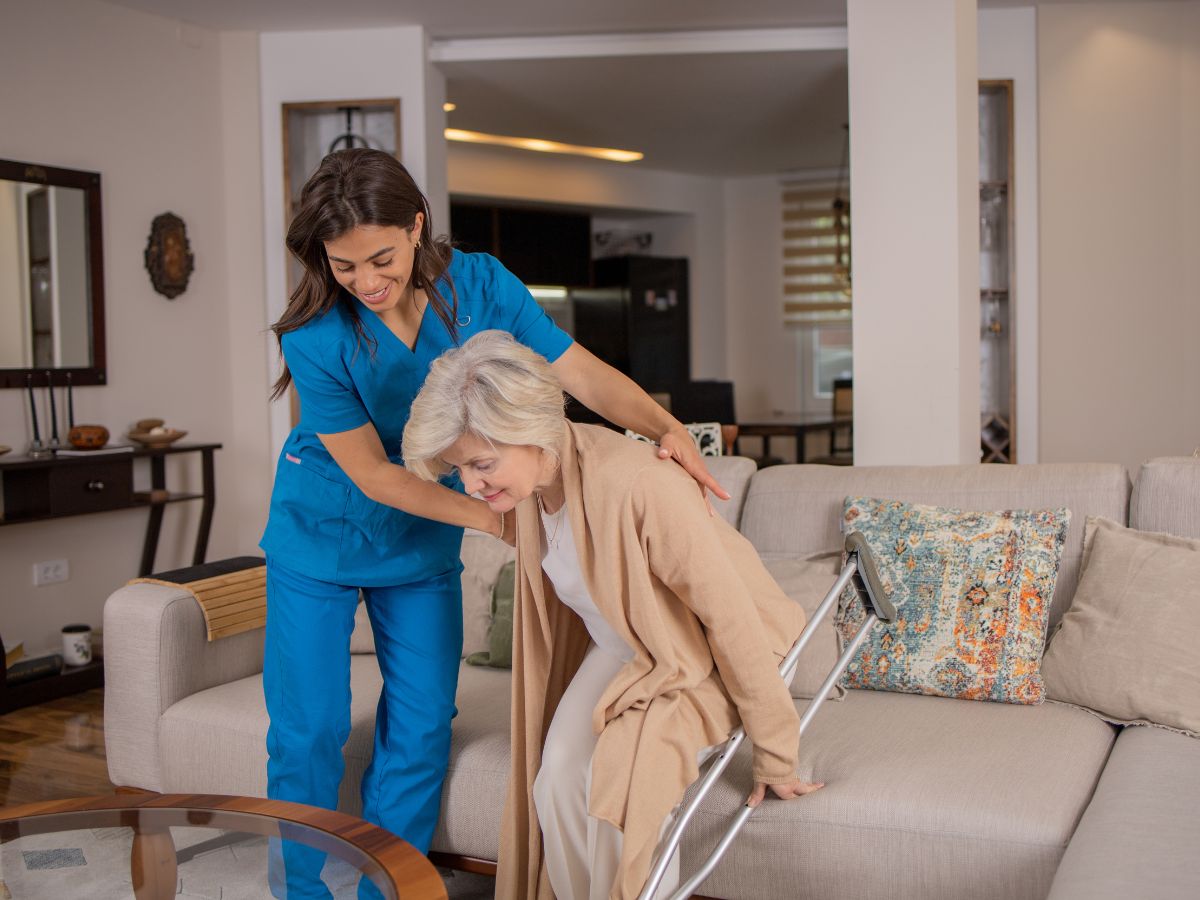
The first question to answer is what kind of help is actually needed. Someone recovering from surgery may need a district nurse for wound care or medication-related support, while an older person struggling with showering, dressing and household tasks may need a broader home-support package.
This guide explains how the process generally works in Aotearoa New Zealand, including where to start, how funding can differ, and what to check before choosing a private provider.
How to arrange nursing care at home
There are four common pathways.
| Your situation | Where to start | What may happen |
|---|---|---|
| Recovering after hospital treatment or surgery | Hospital team or GP | A district nurse or community nursing service may be arranged |
| Need nursing care for an injury | GP, hospital or ACC-related health professional | ACC-funded nursing may be available if the injury and care meet ACC requirements |
| Need ongoing help because of age, disability or long-term health needs | NASC or your health professional | A needs assessment determines what publicly funded support may be appropriate |
| Want to pay for nursing care yourself | Private home nursing provider | The provider assesses your needs and agrees a care plan and fees |
The exact process varies between regions and according to the reason for care. Health New Zealand’s district nursing services, for example, accept referrals through hospitals and healthcare providers, while some services have different local referral arrangements.
1. Start with the person’s healthcare professional
If nursing care is needed because of a medical problem, the simplest first step is usually to speak with the person’s GP, hospital team or existing healthcare professional.
Explain what is happening at home rather than simply asking for “home nursing”. For example:
- “My father has just come home after surgery and needs his wound dressed.”
- “My mother cannot safely manage her catheter without nursing support.”
- “I need help managing a health condition at home.”
- “My partner has an injury covered by ACC and cannot get to the clinic for treatment.”
This gives the healthcare professional enough context to identify the appropriate service.
Health New Zealand describes district nurses as community nurses who can visit people at home, provide follow-up after hospital discharge, and provide services such as wound management, catheter and continence care and medication support.
2. Ask whether a district nurse is appropriate
District nursing is often the relevant public pathway when someone needs clinical nursing care in the community.
Depending on the local service and the person’s needs, this can include wound care, continence or catheter management, intravenous treatment, palliative care, respiratory support and follow-up after hospital treatment. Services differ around the country, so the exact range should be confirmed locally.
In many areas, a referral comes from a GP, hospital or another health professional. Some district nursing services can also assess whether additional home-support services are needed.
This distinction matters: a district nurse providing clinical care is not necessarily the same service as a support worker helping someone with showering, meals or housework.
When you need a NASC assessment
If the main problem is ongoing difficulty managing everyday life at home, rather than a short episode of clinical nursing treatment, a needs assessment may be the next step.
A Needs Assessment and Service Coordination (NASC) service assesses a person’s needs and helps coordinate publicly funded disability or home-support services. Health New Zealand says referrals can be made by a health professional, the person themselves or a family member.
During an assessment, you may be asked about:
- what tasks the person can and cannot manage
- their health and disability needs
- existing support from family or whānau
- medication and general health
- what they want to achieve
- the level and type of assistance needed at home.
The resulting care plan can identify the support required and the services or providers involved.
Nursing care and home support are not identical
This is one of the most useful distinctions to understand.
Nursing care involves clinical nursing work, such as assessing health needs or providing particular treatments and nursing interventions.
Home support can include practical assistance with personal care or household tasks. Depending on the service and assessment, this might involve help with dressing, eating, bathing, mobility, meals or household management.
A person may need one, the other, or a combination of services.
For example, an older adult might have a district nurse visit to manage a wound while a home-support worker helps with showering and household tasks. The two services can work alongside each other.
 Complete Guide to Home Nursing in New Zealand
What if the care is needed because of an injury?
If the need for nursing care relates to an injury covered by ACC, the funding pathway may be different.
ACC describes its nursing service as community-based nursing care, typically delivered in a person’s home, for injury-related needs that cannot be managed by their general practice team. Eligibility and the services available depend on the individual injury and clinical need.
If the injury is already being treated through ACC, ask the GP, treating clinician or other healthcare professional whether an ACC nursing referral is appropriate.
Do not assume that every service provided in the home is automatically ACC-funded. Funding depends on the relevant eligibility and approval arrangements.
What if you want private nursing care at home?
You do not necessarily have to use a publicly funded service. Private providers offer nursing care that can be arranged directly and paid for by the person or family.
This can be useful when:
- you need care that is not covered by public funding
- you want additional hours of support
- you need a particular type of nursing expertise
- you want to arrange care without waiting for a publicly funded pathway
- you need temporary support while other arrangements are being made.
Private providers may offer different combinations of registered nursing, personal care and home support, so compare the actual service rather than relying on the label “home nursing”.
Before agreeing to anything, ask for the provider’s assessment process, proposed care plan, fees, minimum booking requirements and cancellation policy.
What should you ask a home nursing provider?
If you are comparing private providers, price should not be the only consideration.
A useful first conversation should establish:
- What clinical care is required?
Be specific about wound care, medication support, catheter care, post-operative care or another need. - Who will provide the care?
Ask whether care will be delivered by a registered nurse, enrolled nurse, support worker or a combination. - How will the care be supervised?
Find out who is responsible for clinical oversight and who you contact if the person’s condition changes. - What happens if the usual nurse is unavailable?
Continuity can matter, particularly for longer-term care. - What does it cost?
Ask about hourly or visit-based charges, travel costs, minimum visits and after-hours rates. - How is the care plan recorded and reviewed?
A good plan should make clear what care is being provided and who is responsible for it. - How does the provider work with the GP or other clinicians?
Coordination is particularly important when several healthcare professionals are involved.
For nursing care, you can also check the nurse’s registration and current practising status through the Nursing Council of New Zealand. Nurses practising in Aotearoa New Zealand must be registered, work within their scope and hold a current Annual Practising Certificate.
⇒ Nursing Council of New Zealand — public register and practising information
What happens after care is arranged?
The provider or nursing team should establish what the person needs and how that care will be delivered.
For publicly funded home support following a needs assessment, the care plan records the services required, who will provide them and when they should start.
For private care, the provider will normally carry out its own assessment before agreeing on a plan. The details will depend on the provider and the complexity of the person’s needs.
It is worth keeping a simple record of:
- the nurse or service’s contact details
- scheduled visits
- medications or treatments relevant to the care plan
- changes in the person’s condition
- questions for the GP or nursing team
- who to contact outside normal hours.
If the person’s needs change, don’t simply try to add more tasks informally. Ask for the care plan or needs assessment to be reviewed. Health New Zealand notes that a reassessment can be requested when needs change.
What does nursing care at home usually involve?
The exact service depends on the person’s condition, but community nursing can include clinical tasks such as:
- wound assessment and dressing care
- catheter and continence care
- medication-related support
- intravenous treatment in appropriate circumstances
- management of some complex or long-term conditions
- palliative and end-of-life care
- health education and support following hospital discharge.
Health New Zealand’s regional district nursing services illustrate how broad the role can be, while also showing why services vary by location.
For people receiving palliative care, nursing support may be provided at home alongside a GP, district nurse, hospice or specialist palliative-care team.
Home Nursing vs Nursing Home Care
How much does nursing care at home cost in New Zealand?
There is no single national price for private home nursing. Costs depend on the provider, location, type of nursing required, visit length, complexity and whether the care is publicly funded, ACC-funded or privately paid.
For that reason, be cautious about websites quoting one “average” NZ home nursing price without explaining what is included.
Publicly funded services have their own eligibility and funding rules. For example, Health New Zealand states that district nurse visits for short-term recovery are government-funded and based on need rather than income. Longer-term home support follows a needs-assessment process.
If you are paying privately, ask for a written quote before care begins and check whether travel, weekends, public holidays and minimum visit periods are charged separately.
What are your rights when receiving home care?
People receiving health and disability services in New Zealand have rights under the Code of Health and Disability Services Consumers’ Rights. These include rights relating to respect, appropriate standards of care, communication, informed choice and the ability to complain.
Home and community support services are also covered by New Zealand’s current health and disability services quality framework, Ngā Paerewa NZS 8134:2021, which places emphasis on person- and whānau-centred care and outcomes.
If something about the service does not feel right, raise the issue with the provider first where appropriate. You can also seek independent information about your rights and complaints options.
Home Support Services in New Zealand
Frequently Asked Questions
Can I arrange nursing care at home without going through a hospital?
Yes, depending on the type of care. A GP or another healthcare professional can refer someone to an appropriate community nursing service. If you want private nursing, you can generally contact a provider directly. Publicly funded services have their own referral and eligibility requirements.
Do I need a NASC assessment for nursing care?
Not necessarily. A NASC assessment is used for certain publicly funded home-support and disability services. Short-term district nursing after illness or hospital treatment can follow a different referral pathway, such as referral from a GP or hospital.
Is a district nurse the same as a home carer?
No. A district nurse provides nursing care and clinical support. A home-support worker may assist with personal care or household tasks. Some people need both types of support.
Can nursing care be provided at home after surgery?
It can be, when clinically appropriate. District nursing services in New Zealand commonly provide follow-up care after hospital discharge, with the exact service depending on the person’s needs and local arrangements.
Can I pay for a nurse privately?
Yes. Private providers offer nursing and home-care services that can be self-funded. Ask the provider to assess the person’s needs and give you clear information about the proposed care and charges before starting.
Can ACC pay for nursing care at home?
ACC may fund nursing services for eligible injury-related needs. The injury and clinical circumstances must meet ACC’s requirements, so ask the treating healthcare professional about the appropriate referral pathway.
What should I do if the person’s needs become greater?
Tell the nursing team, GP or relevant support service. A change in needs may require a new clinical assessment or a review of the existing care plan. Health New Zealand advises that people can request reassessment when their needs change.
Final takeaway
The easiest way to arrange nursing care at home is to start with the reason care is needed.
For short-term clinical care, speak with the GP or hospital team about a district nursing referral. For ongoing assistance with daily living, ask about a NASC needs assessment. For an eligible injury, ACC may provide another pathway. And if you need additional or privately funded care, a private home nursing provider can assess the situation and develop a paid care plan.
Most importantly, describe the person’s actual needs, rather than trying to work out the correct service name yourself. The right healthcare professional or assessment service can then help determine whether the person needs district nursing, home support, private nursing, or a combination.
Who Qualifies for Home Nursing in New Zealand?
Sources
- New Zealand Government — Nursing and medical help at home — public information on district nursing and home-based medical help.
- New Zealand Government — Get a needs assessment — explains NASC assessments, eligibility and care planning.
- Health New Zealand — Home support services — current information on publicly funded home support.
- Health New Zealand — Nurses and district nurses — explains the role of district nurses in community care.
- ACC — Nursing Services — information about ACC-funded community nursing for eligible injury-related needs.
- Nursing Council of New Zealand — Practising as a nurse — registration and practising requirements for nurses in Aotearoa New Zealand.
- Health and Disability Commissioner — Code of Rights — consumer rights when receiving health and disability services.